
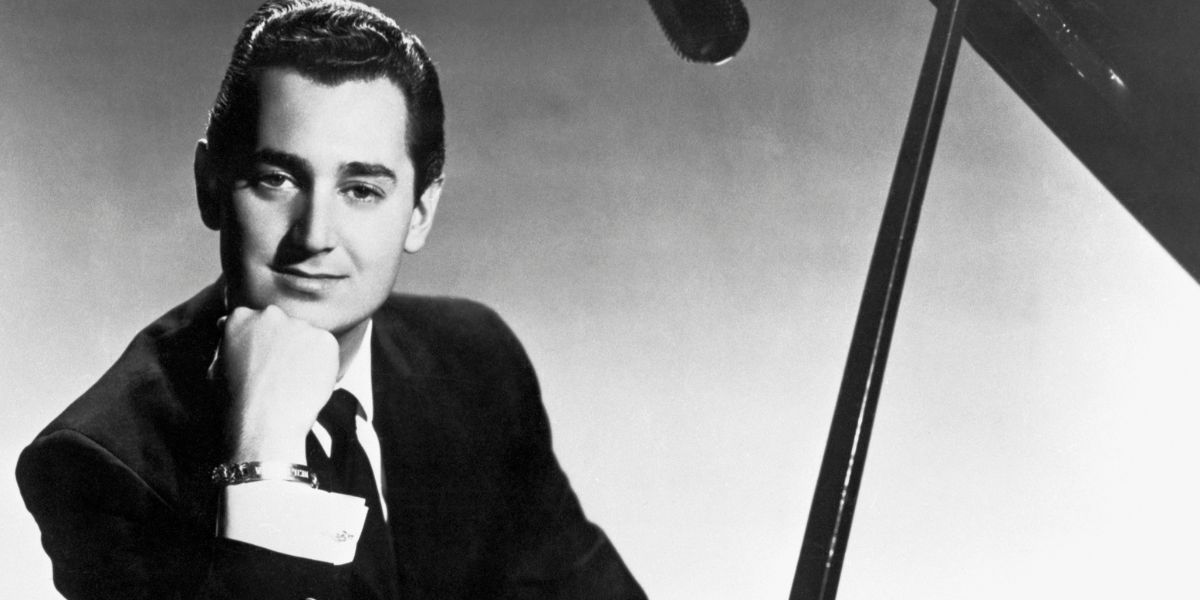
The music industry is a little quieter this week following the news that Neil Sedaka, the man who arguably defined the soundtrack of the 1960s and staged one of the most impressive comebacks in history, has passed away at the age of 86. For those of us who grew up with his soaring tenors or discovered his catalogue through the countless covers by modern artists, his departure feels like the end of a very melodic era.
Sedaka wasn’t just a singer, he was a powerhouse of the Brill Building era, a time when songwriters were the undisputed kings of the airwaves. While many artists are lucky to have one “golden era,” Sedaka managed two, proving that while breaking up is indeed hard to do, staying relevant in the fickle world of pop music is even harder. Yet, he made it look effortless.
From Brooklyn to the Global Stage
Born in Brooklyn, Sedaka’s journey began with classical piano training at Juilliard. However, the lure of rock and roll proved too strong. Alongside his lyrical partner Howard Greenfield, he churned out hits that became the DNA of mid-century pop. If you have ever hummed along to Oh! Carol or Stupid Cupid, you have Sedaka’s craftsmanship to thank.
There is a certain cheeky brilliance to his early work. He understood the teenage psyche better than most, capturing the dizzying highs of a first crush and the dramatic lows of a playground split. He didn’t just write songs; he built three-minute symphonies for the average person.
The Art of the Comeback
By the late 1960s, the “British Invasion” threatened to make many American soloists obsolete. For a moment, it seemed Sedaka might fade into the archives of nostalgia. But in a move that remains a masterclass in career reinvention, he headed to the United Kingdom in the early 70s.
It was here that he aligned with Elton John, who signed him to his Rocket Record Company label. The result? Laughter in the Rain and the sultry, reworked version of Breaking Up Is Hard to Do. It is rare for an artist to take a bubblegum pop hit from their youth and transform it into a sophisticated, soulful ballad that tops the charts all over again, but Sedaka had that rare ability to evolve without losing his essence.
The Legacy
What makes Sedaka’s passing particularly poignant for music lovers is the sheer volume of his influence. His songs were covered by everyone from Elvis Presley to ABBA and The Captain & Tennille. He possessed a technical precision in his songwriting that few could match, likely a result of those early classical roots, yet his music always felt warm and approachable.
In recent years, Sedaka remained a fixture in the public eye, often sharing snippets of his performances on social media, reminding us all that his voice and his spirit hadn’t aged a day. He remained a “musician’s musician,” respected for his theory as much as his showmanship.
While we mourn the loss of a true legend, we are left with a catalogue that is essentially a manual on how to write the perfect pop song. Whether you are reliving the hits of your youth or discovering his work for the first time through a streaming playlist, Neil Sedaka’s influence is woven into the very fabric of modern music. Breaking up with our musical icons is never easy, but in the case of Neil Sedaka, the music ensures he never truly leaves the room.