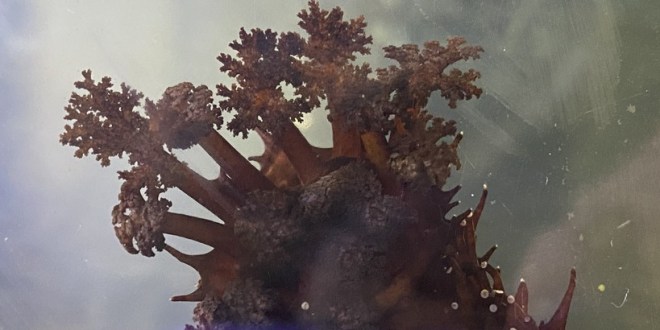
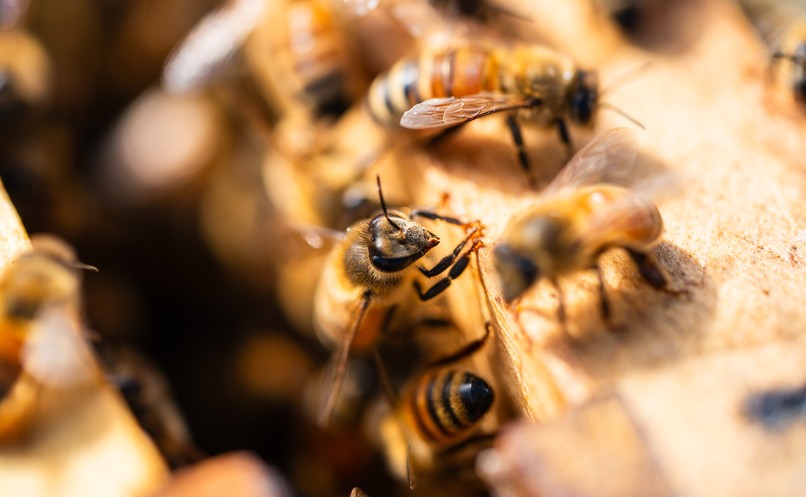
The University of the Sunshine Coast is developing two projects it hopes will play a significant role in stopping varroa mites killing honey bees.
The mites are developing resistance to current chemical treatments used to control them and they are wiping out honey bee populations in Australia and around the world.
One of the Uni-SC projects is developing proteins from spider venom that doesn’t harm bees but kills the mites while the other is researching ways to manipulate the mites’ genes to kill them.
The two projects have received almost $100,000 from the State Government to further develop their research.
Associate Professor Volker Herzig from Uni-SC said his research with spider venom was an exciting opportunity to explore new options for varroa mite management.
“UniSC-led research has discovered spider venom contains an ingredient that could lead to a new treatment that protects honey bees from the deadly varroa mite,” Dr Herzig said.
“We identified peptides, in the venom of the Tasmanian cave spider and the Giant Japanese funnel-web spider, that kill the parasitic mites without harming the bees.
“Our discovery is the first step in finding a new, environmentally friendly way to combat the mites, which are destroying honey bee colonies across the globe.
“The grant will help us assess the viability of developing the peptides into a commercial, sustainable treatment for varroa mite infestations in honey bee hives.”
Professor Robert Harvey, Chair in Pathophysiology and Associate Dean (Research), School of Health from the University of the Sunshine Coast said his research would potentially target varroa mites without effects on honey bees.
“With varroa mites becoming increasingly resistant to existing chemical pesticides, we are exploring alternative ways to combat them,” Dr Harvey said.
“One new technology is RNA-based pesticides that switch off specific genes that mites need to survive, without creating genetically modified organisms.
“Our research group is exploring a strategy that targets key genes required for the mite’s nervous system or muscles.
“These target the same receptors and ion channels affected by existing chemical miticides, but RNA-based treatments will provide greater specificity and will not harm honeybees and other beneficial insects.”
“Around 30% of our food production depends on managed pollination by honey bees so if we don’t get on top of this problem then we can see food shortages, we can see crop failures,” Professor Harvey said.
“The managed honey bee pollination is worth around $14-billion a year to the economy.”